
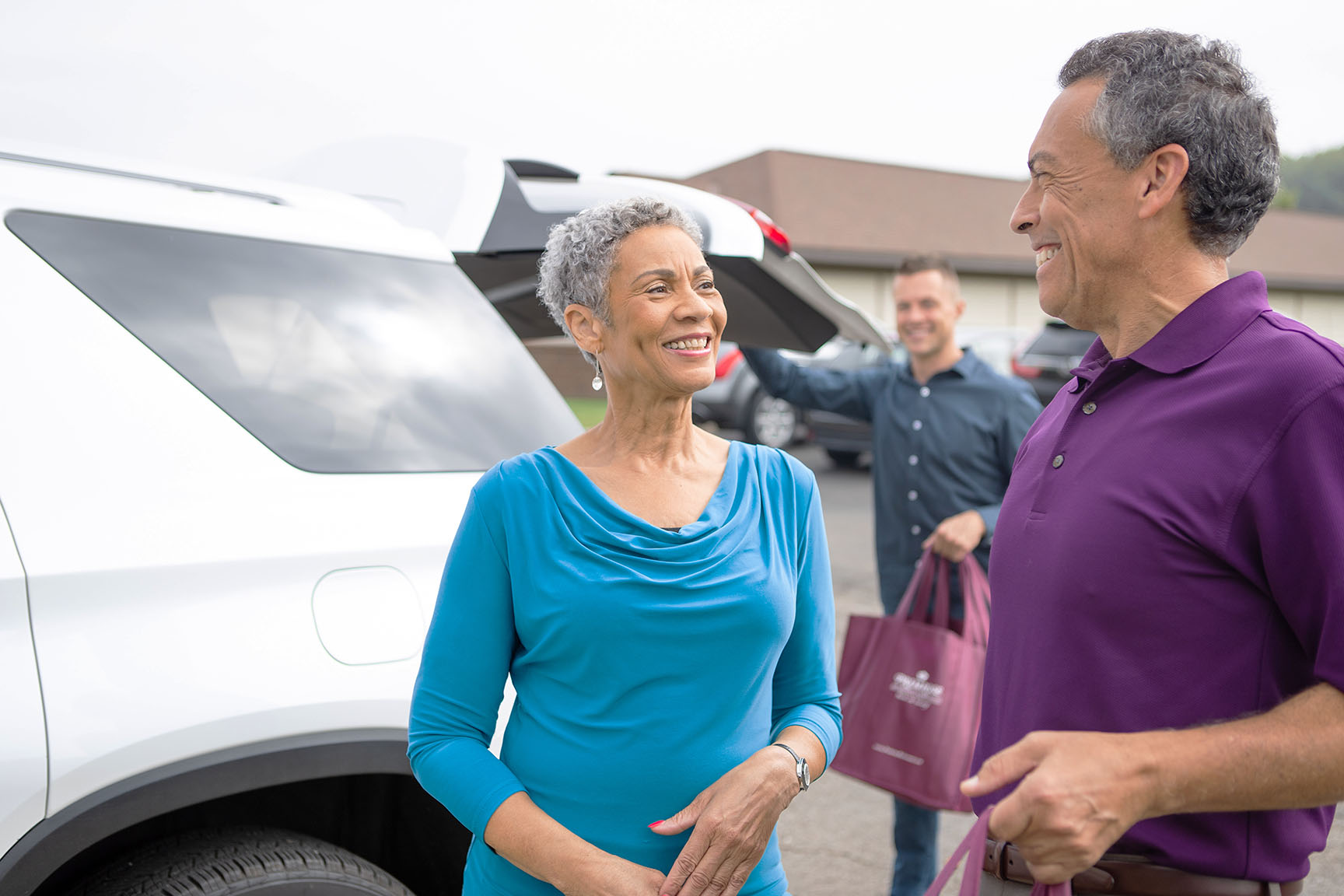
The decision for seniors to give up their car keys is a delicate and often challenging transition. Driving represents independence and freedom, so the prospect of relinquishing this privilege can be emotionally charged for both the senior and their family. This blog aims to provide comprehensive insights, strategies, and considerations for families dealing with this significant life change.
Initiating Conversations: Early and Empathetic
Initiating conversations about giving up the car keys requires empathy, planning, and open communication. It’s essential to approach the topic early and involve the senior in the decision-making process. The most effective method is to have a candid talk with your loved one, discussing concerns such as health conditions that may affect driving abilities. Focus on viable alternatives to driving, including rides from family and friends, public transportation, ridesharing programs, and paratransit services.
Age alone is not a reason to reconsider driving privileges, but seniors are susceptible to various health conditions that can impact their ability to drive safely. Age-related changes can affect memory, decision-making processes, vision, hearing, reaction times, and other essential skills for driving. Dementia, in particular, poses a significant challenge, as seniors with cognitive decline may not recognize their impairment, a condition known as anosognosia. It is crucial to recognize signs that may indicate an individual is no longer fit to drive, such as side effects of medications, impaired vision, increased accidents, or traffic citations.
Involving Trusted Professionals
Sometimes, involving trusted professionals can be the best way to address the issue. Consider consulting with physicians, optometrists, occupational therapists, aging specialists, or even national or local programs can play a significant role in assessing the older driver objectively. A physician’s opinion holds significant weight, and they can assess physical and mental fitness for driving. An optometrist can evaluate eyesight, providing solid evidence if poor vision is a concern. Another professional to involve is an elder law attorney, especially if the senior values legal and financial perspectives. Discussing the risks of continued driving and potential consequences for the estate may provide a different perspective.
If working with professionals and involving trusted individuals is unsuccessful, it may be time to approach the State Department of Motor Vehicles (DMV) directly. Caregivers with sufficient reason can report an unsafe driver, prompting the DMV to investigate the senior’s driving record and abilities. The DMV may require various assessments, such as visual examinations, written driving tests, or road tests with an inspector. It’s crucial to note that there are no national standards for licensing drivers or revoking privileges. Each state has its own guidelines and programs, and reporting requirements vary. Some states maintain anonymity for the person reporting, while others may disclose this information to the senior if requested.
The idea of using a third party is to eliminate family dynamics from the conversation and provide expertise and data for a more objective view. If the senior can independently come to the decision to stop driving through evaluation and reflection, it can be a powerful and voluntary choice.
Forcing the Issue: When Direct Measures Are Necessary
If planning, conversations, and assessments do not yield results, more direct measures may be necessary. These can include disabling the car, removing keys, or even selling the vehicle. Keep in mind that confiscating a loved one’s car or keys can cause conflict and legal issues. For example, your loved one could report their car as stolen. If that were to happen and you don’t have proper documentation, such as financial POA, taking these items without permission could have you in legal hot water. Instead, consider offering to “hold” the keys for safekeeping, especially if the senior’s license has been officially revoked. In extreme cases where there’s an imminent threat, involving the police may be necessary. However, these measures should only be taken if absolutely required, as conversation remains the primary and best line of defense.
Conclusion: Empathy and Planning in the Driving Transition
Convincing a senior to stop driving can be challenging and traumatic. It’s crucial to initiative conversations early and approach the subject with empathy, understanding, planning, and open communication. If the senior still has their faculties, involve them in the decision-making process. Present reasons for giving up the car keys, such as medication side effects, impaired vision, or other limiting health conditions. Discuss viable alternative transportation options and maybe even do a trial run for a few weeks before reassessing.

Beyond logistics and strategies, it’s crucial to acknowledge the emotional toll this transition can take. Losing the ability to drive represents a significant loss of independence, often leading to feelings of isolation and frustration. While the decision is undoubtedly challenging for everyone involved, ultimately, the goal is to prioritize the safety of seniors and others on the road while preserving their dignity and independence as much as possible. Family members and caregivers need to approach this transition with empathy and understanding and consider seeking professional guidance when needed.
At Primrose Retirement, we know that conversations like these with your aging loved ones can be difficult for everyone. Primrose can be a great resource for providing safe and secure housing, meals and even scheduled transportation. We also have onsite beauty/barbershops, therapists, exercise classes, learning programs, activities, and entertainment for seniors right at home. No driving needed!
If you or a loved one might be ready to explore the options that a senior living lifestyle can offer, please click here to find a Primrose community near you: Primrose Retirement Communities | Locations